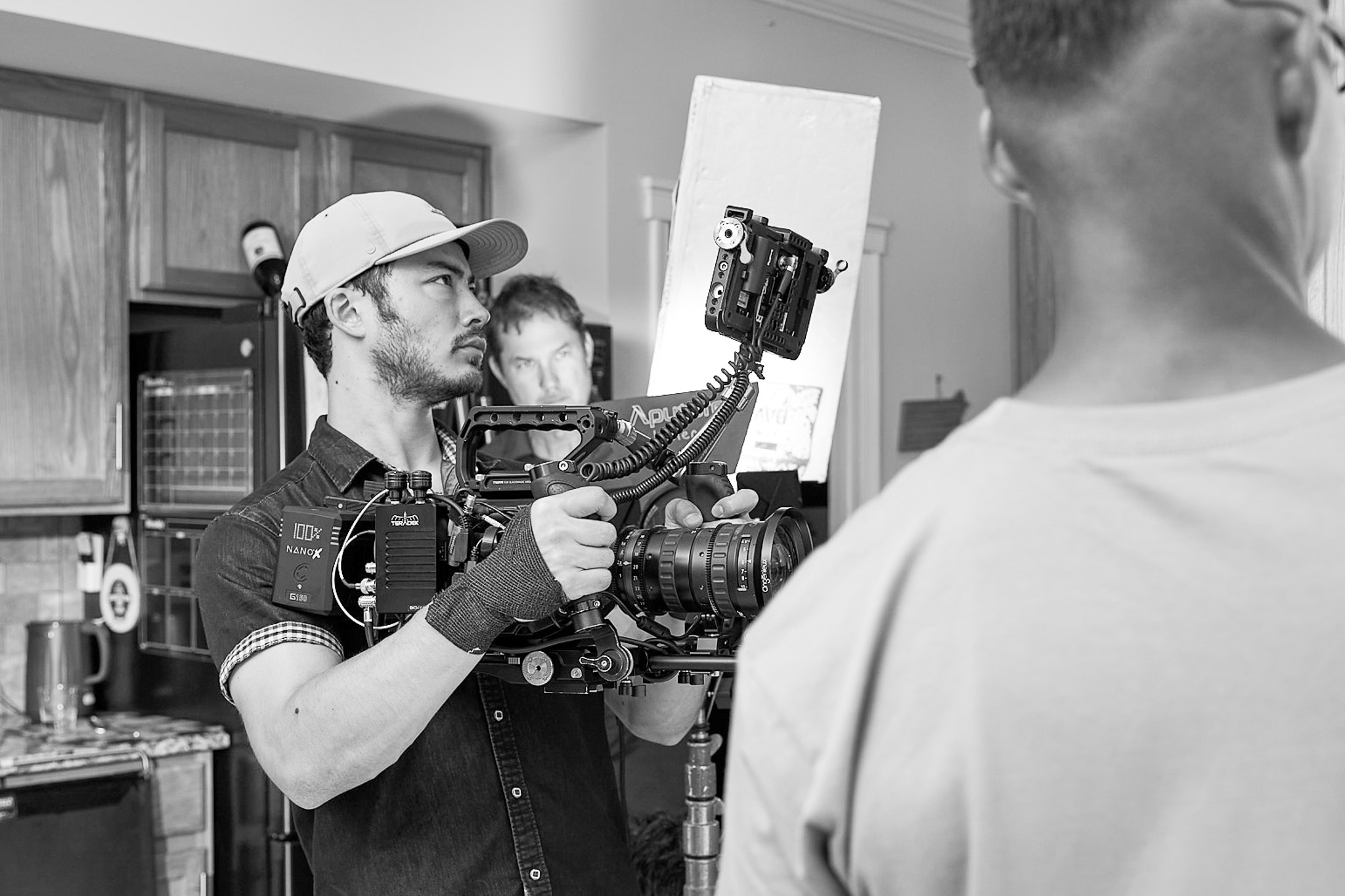
“We need a video.”
It’s the most common starting point.
But the strongest productions don’t begin with the asset. They begin with the asking the right questions.
The scale of a production isn’t determined on shoot day. It’s determined in discovery.
A single, well-designed initiative can responsibly generate thirty distinct deliverables — not because you overshoot randomly, but because you ask the right questions early and plan for scale from the beginning.
Behind most video requests is something bigger:
Video isn’t the objective. It’s the vehicle.
When teams think in deliverables, production becomes fragmented — one shoot for paid, another for website, another for retail, another for social.
When teams think in systems, production becomes strategic.
The question shifts from: “What video are we making?”
To: “What business initiative are we supporting — and how can this production serve more than one outcome?”
That shift changes everything.
Most inefficiency on a production day comes from resets and poor planning.
Moving locations.
Repositioning the camera.
Readjusting the lighting
Adjustments to performance, wardrobe, styling, continuity, etc. The list goes on and on.
And each reset costs time. Each reset costs money.
Instead of thinking: “We need ten different pieces of content,”
a smarter approach asks: “What scenarios allows us to capture ten variations with less setups?”
When you design scenarios intentionally, you create layered opportunity.
Within a single setup, you can capture:
You’re not overshooting randomly. You’re building structured abundance.
To make this tangible, here’s what a strategically planned brand campaign production can realistically support:
Not because you added chaos to the shoot.
But because you designed the capture to support multiple outcomes.
The alternate hooks were built into the schedule.
The messaging variations were defined during scripting.
Vertical framing was accounted for on production.
Website headers were captured while lighting was already set.
The work multiplies because the thinking multiplies.
This doesn’t happen on set by accident. It happens in pre-production.
Scalable production planning includes:
When planning accounts for scale, post-production is enabled for success and even more potential deliverables.
When planning is narrow, editing becomes constrained.
The difference between three assets and thirty often isn’t budget. It’s foresight.
If you’re investing in a shoot, the question isn’t:
“How many videos can we get?”
It’s: “How many business outcomes can this support?”
When production is structured around initiative, messaging hierarchy, and future content flexibility, one shoot can realistically support high quantities of deliverables.
Not by working harder.
But by designing smarter.